“class hours” search results (400)
A basic introduction to coffee used as four nouns for commercial coffee
[Latin name] four kinds of commercial coffee: large fruit coffee Coffea liberica medium fruit coffee Coffea canephora small fruit coffee Coffea arabica high yield coffee Coffea dewevrei Coffea is a coffee tree [English] coffee [alias] small seed species also known as Arabian species, medium seed species also known as Gaffra species, large seed species also known as Liberian species
2015-06-23 Coffee basic introduction use commodity 4 kinds noun
Introduction to the treatment methods of fine Rwandan coffee beans
Rwandans have been growing coffee since colonial times, but until 1999, its products were still classified as below Class C and were not popular in the global market. The reason for the poor quality is that farmers do not have a fixed procedure for washing coffee beans and do not process coffee fruits according to specifications in time. Buyers buy coffee beans at $0.33 per kilogram, and farmers keep warm by the meagre profits earned at low prices.
2016-06-23 Boutique Rwanda coffee beans handling methods introduction people from
Introduction of Rwanda Coffee varieties Malaba Coffee Chimeier Manor
Laba Coffee is grown in southern Rwanda, about 12 kilometers (7 miles) from the city of Butare and 150 kilometers (93 miles) from the capital, Gejali. The plan began in the Malaba area of Butare province, but was taken over by a local government organization in 2006, which is now part of the Huye district of the southern province. Due to its proximity to the East African Rift Valley and the Neuenway Forest Mountains, this area has many topography.
2016-06-21 Rwanda Coffee species introduction Malaba Rabbah Mayer Manor
Geo-climatic production process of coffee beans in Rwanda
Malaba Coffee grows in southern Rwanda, about 12 kilometers (7 miles) from the city of Butare and 150 kilometers (93 miles) from the capital, Gejali. The plan began in the Malaba area of Butare province, but was taken over by a local government organization in 2006, which is now part of the Huye district of the southern province. Due to its proximity to the East African Rift Valley and the Neuenway Forest Mountains, the terrain
2016-06-02 Rwanda coffee beans geography climate production process Malaba Raba coffee long
Rwandan coffee is the best coffee in Rwanda.
Rwandans have been growing coffee since colonial times, but until 1999, the product was classified as below grade C and was not available on the global market. The reason for the poor quality is that farmers do not have a fixed procedure for cleaning coffee beans, and they do not process coffee fruits according to specifications in time. Buyers pay $0.33 a kilo for coffee beans, farmers keep warm on meager profits from low prices
2016-05-15 boutique coffee rwanda characteristics presentation
Trieste, Italy: the City of Coffee
The city of Trieste is a city of coffee. There is the first coffee university in the world. You must go to it.
2014-05-15 Coffee culture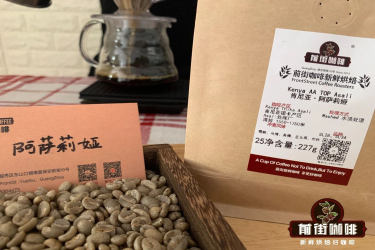
Grindability parameters of graded hand-flushing water temperature of Kenyan AA coffee beans in Kenyan coffee producing area
Kenyan coffee, known as the Cup of connoisseurs (ConnoisseursCup), is famous in the coffee industry for its rich aroma, bright and vibrant acidity, full and elegant mellowness and red wine flavor. Caffeine in different producing areas has its own subtle flavor due to the difference of microclimate. Kenya
2023-04-01 World Coffee Manor producing area introduction producing country Kenya detailed known as reference
Full grain Rwandan coffee flavor Introduction Western Province Lutexiluo region Introduction
Rwandan coffee characteristics: Rwandan coffee taste is described as grassy aroma, with tropical climate characteristics, this coffee presents a sweet fruit, it can also give people a fresh, clear and fresh feeling. Bourbon coffee grown in Rwanda is marvellous for its fruity sweetness, its rich aroma, without any convergence, and its aftertaste
2016-07-13 Granule Full Rwanda Coffee Flavor Taste Presentation Western Province Special Creek Produce
Some summaries about Q-GRADER examination
First, about the examination subject Q-GRADER is a test jointly certified by SCAA and CQI. At present, the examination will take 5 days, with a total of 22 subjects. If you pass all the subjects, you can get Q-GRADER certification. If you have failed subjects, you can pass the make-up exam within 18 months. Specific subjects include: ①, 1 general knowledge written test, 100 answers in 1 hour
2015-04-23 About Q-GRADER exams some summaries about exams subjects
Boutique coffee Rwanda coffee origin Rwanda coffee practice
Rwandans have been growing coffee since colonial times, but until 1999, its products were still classified as below Class C and were not popular in the global market. The reason for the poor quality is that farmers do not have a fixed procedure for washing coffee beans and do not process coffee fruits according to specifications in time. Buyers buy coffee beans at $0.33 per kilogram, and farmers keep warm by the meagre profits earned at low prices.
2016-05-12 Boutique coffee Rwanda origin practice
Fine coffee Rwanda coffee producing area Western Province Lutexiluo producing area
Rwandans have been growing coffee since colonial times, but until 1999, the product was classified as below grade C and was not available on the global market. The reason for the poor quality is that farmers do not have a fixed procedure for cleaning coffee beans, and they do not process coffee fruits according to specifications in time. Buyers pay $0.33 a kilo for coffee beans, farmers keep warm on meager profits from low prices
2016-05-15 boutique coffee rwanda producing region western province texi
Taste of Rwanda boutique coffee beans Malaba coffee is introduced in the manor area.
Malaba Coffee grows in southern Rwanda, about 12 kilometers (7 miles) from the city of Butare and 150 kilometers (93 miles) from the capital, Gejali. The plan began in the Malaba area of Butare province, but was taken over by a local government organization in 2006, which is now part of the Huye district of the southern province. Due to its proximity to the East African Rift Valley and the Neuenway Forest Mountains, the terrain
2016-07-25 Rwanda boutique coffee beans flavor taste manor producing area introduction Malaba
The charm of coffee Why so many people like to drink coffee
With the popularity of coffee all over the world, coffee fever has quietly sprung up in China. In recent years, Sinorama has received a lot of contributions about the efficacy of coffee, as well as many readers asking about the health effects of drinking coffee. It can be seen that the pros and cons of drinking coffee has become a public health topic that has attracted more and more attention. Therefore, this issue is a special health management expert, graduated from the University of Minnesota, USA.
2015-03-06 Coffee charm why then many people like
Fine Coffee Culture Story Coffee changes the World 2
Have you ever had coffee? Does the coffee really taste good? In fact, when we enjoy coffee, most of the time we just regard it as a drink, a different, unique, refreshing drink, but seldom think about it: what is the big name of a small coffee? Precisely, coffee is surprisingly big-it is second only to oil in the world.
2015-01-16 Boutique coffee culture story coffee change world drink whether true
Growing in the Lutesilo region of the western province of Malaba in southern Rwanda
Malaba Coffee grows in southern Rwanda, about 12 kilometers (7 miles) from the city of Butare and 150 kilometers (93 miles) from the capital, Gejali. The plan began in the Malaba area of Butare province, but was taken over by a local government organization in 2006, which is now part of the Huye district of the southern province. Due to its proximity to the East African Rift Valley and the Neuenway Forest Mountains, the terrain
2016-07-01 Long in Rwanda South Malaba Raba Coffee Western Province Texi producing areas
Boutique Coffee Rwanda Coffee Manor 1756 members small farmers
Rwandans have been growing coffee since colonial times, but until 1999, its products were still classified as below Class C and were not popular in the global market. The reason for the poor quality is that farmers do not have a fixed procedure for washing coffee beans and do not process coffee fruits according to specifications in time. Buyers buy coffee beans at $0.33 per kilogram, and farmers keep warm by the meagre profits earned at low prices.
2016-05-12 Boutique coffee Rwanda manor 1756 members small farmers
Coffee changes the world. Does coffee really taste good?
Have you ever had coffee? Does the coffee really taste good? In fact, when we enjoy coffee, most of the time we just regard it as a drink, a different, unique, refreshing drink, but seldom think about it: what is the big name of a small coffee? Precisely, coffee is surprisingly big-it is second only to oil in the world.
2015-07-27 Coffee change the world whether really taste delicious drink coffee
Fine coffee Rwanda Coffee introduces the characteristics of Rwanda Coffee
Rwandans have been growing coffee since colonial times, but until 1999, its products were still classified as below Class C and were not popular in the global market. The reason for the poor quality is that farmers do not have a fixed procedure for washing coffee beans and do not process coffee fruits according to specifications in time. Buyers buy coffee beans at $0.33 per kilogram, and farmers keep warm by the meagre profits earned at low prices.
2016-05-12 Boutique coffee Rwanda introduction characteristics
Boutique coffee Rwanda coffee flavor red apple, cherry, cinnamon, honey
Rwandans have been growing coffee since colonial times, but until 1999, its products were still classified as below Class C and were not popular in the global market. The reason for the poor quality is that farmers do not have a fixed procedure for washing coffee beans and do not process coffee fruits according to specifications in time. Buyers buy coffee beans at $0.33 per kilogram, and farmers keep warm by the meagre profits earned at low prices.
2016-05-12 Boutique coffee Rwanda flavor red apple cherry cinnamon honey
Boutique coffee Rwanda coffee producing area in the western province of Lutexilo
Rwandans have been growing coffee since colonial times, but until 1999, its products were still classified as below Class C and were not popular in the global market. The reason for the poor quality is that farmers do not have a fixed procedure for washing coffee beans and do not process coffee fruits according to specifications in time. Buyers buy coffee beans at $0.33 per kilogram, and farmers keep warm by the meagre profits earned at low prices.
2016-05-12 Boutique coffee Rwanda producing area western province Texi